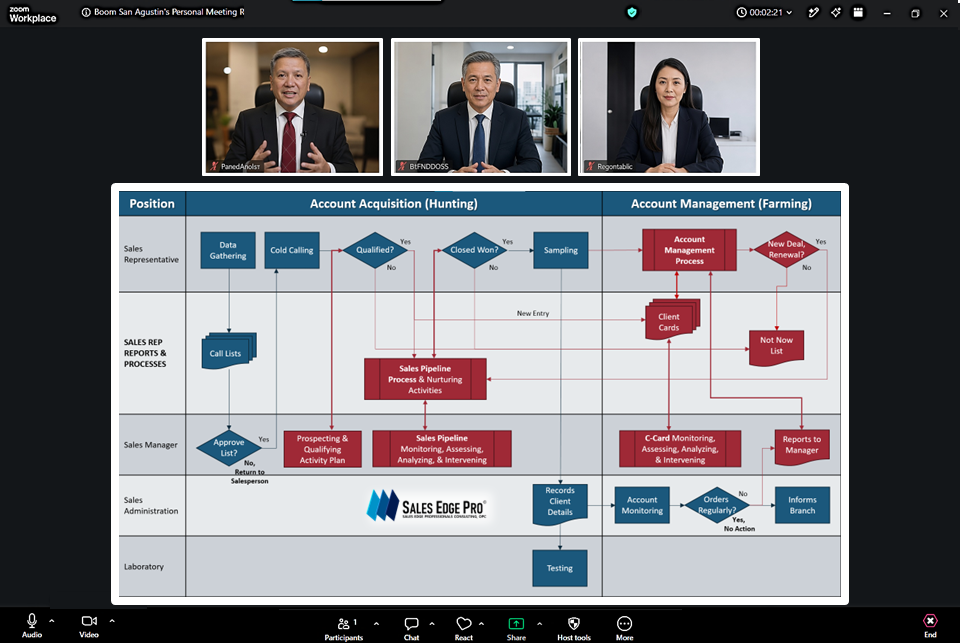
How to Choose the Right Sales Training Program in the Philippines
Not all sales training is created equal. Here's how Philippine B2B companies can evaluate programs, avoid common pitfalls, and build training that actually changes behavior in the field.
Share this article
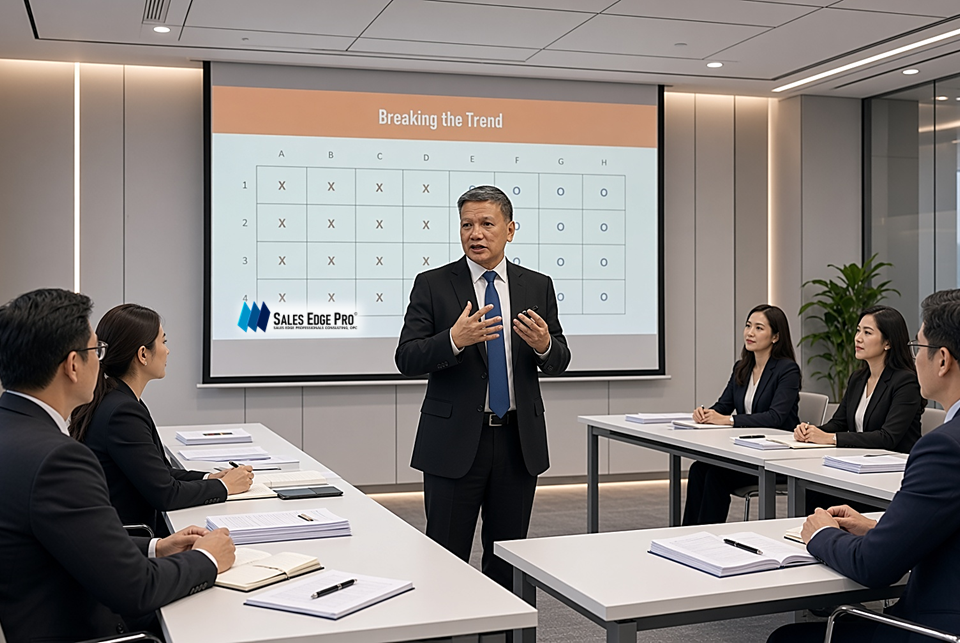
The Problem With Most Sales Training in the Philippines
The Philippine corporate training market is large and growing. A quick search turns up dozens of providers offering sales training programs — from half-day workshops to multi-week certifications, from generic communication skills to specialized B2B selling techniques.
Most of them don't work.
Not because the content is wrong. But because training that isn't designed to change behavior in the field doesn't change behavior in the field. Reps sit through a workshop, nod along, and go back to doing exactly what they were doing before.
This is a waste of your budget and your team's time. Here's how to avoid it.
What Effective Sales Training Actually Does
Effective sales training changes what reps do on sales calls — not just what they know. That distinction matters enormously.
Knowledge transfer is easy. A good facilitator can teach a room full of reps the SPIN selling framework in two hours. But knowing the framework and using it consistently in a live discovery call with a skeptical procurement manager are very different things.
Behavior change requires three things that most training programs don't provide:
1. Deliberate practice. Reps need to practice new skills in a safe environment — through role plays, simulations, and structured exercises — before they're expected to use them with real buyers.
2. Reinforcement. A single training event produces a temporary spike in awareness that fades within weeks. Sustained behavior change requires follow-up coaching, manager reinforcement, and repeated practice over time.
3. Application to real situations. Generic training that isn't connected to your actual sales process, your actual buyers, and your actual objections doesn't transfer to the field. The best training uses your deals, your language, and your market context.
The Philippine B2B Sales Context
Sales training that works in the Philippines needs to account for the specific dynamics of the local B2B market.
Relationship culture. Philippine business culture places high value on personal relationships and trust. Effective sales training doesn't fight this — it builds on it. The goal is to help reps leverage their relationship strengths while also developing the consultative and commercial skills that close complex deals.
Multi-stakeholder decisions. Enterprise B2B deals in the Philippines typically involve multiple decision-makers across procurement, finance, IT, and the business unit. Training needs to address how to map stakeholder networks, build consensus, and navigate organizational politics.
Price sensitivity and budget cycles. Philippine buyers are often highly price-sensitive, and budget cycles can be unpredictable. Training needs to address value articulation, ROI framing, and negotiation — not just rapport-building.
Industry-specific dynamics. The skills needed to sell enterprise software to a Philippine bank are different from the skills needed to sell industrial equipment to a manufacturing company in Laguna. The best training is customized to your industry and buyer type.
How to Evaluate a Sales Training Provider
When evaluating sales training programs in the Philippines, ask these questions:
Does the provider understand B2B selling?
Many training providers in the Philippines specialize in retail sales, customer service, or general communication skills. These are valuable disciplines, but they're not B2B sales. B2B selling involves longer cycles, multiple stakeholders, complex value propositions, and commercial negotiation. Make sure the provider has genuine B2B expertise.
Is the content customized or off-the-shelf?
Generic programs can provide a useful foundation, but they rarely produce lasting behavior change. The best providers customize their content to your sales process, your buyer personas, your common objections, and your competitive landscape. Ask to see examples of how they've adapted their programs for clients in your industry.
What happens after the workshop?
Ask every provider: what does reinforcement look like? If the answer is "we can schedule a follow-up session," that's not enough. Look for providers who build reinforcement into the program design — through manager coaching guides, practice tools, and structured follow-up activities.
Can they measure results?
A serious training provider should be able to help you define success metrics before the program starts and track them afterward. Win rate, average deal size, sales cycle length, and quota attainment are all measurable. If a provider can't connect their program to business outcomes, be skeptical.
Do they have Philippine market experience?
Sales training that works in the US or Singapore doesn't always translate directly to the Philippine context. Look for providers who have worked with Philippine B2B companies, understand local business culture, and can adapt their approach accordingly.
The SMI Certification Standard
One benchmark worth knowing: the Sales Management International (SMI) certification is one of the most rigorous standards in professional sales development. SMI-certified practitioners have demonstrated mastery of consultative selling, sales management, and sales process design at an internationally recognized level.
When evaluating training providers, ask whether their lead facilitators hold recognized professional certifications — and what those certifications required to earn.
Building a Training Program That Sticks
The most effective sales training programs aren't events — they're systems. Here's what a well-designed program looks like:
Diagnostic phase: Before any training begins, assess your team's current skill levels. A sales aptitude assessment and skills gap analysis tells you where to focus — so you're not training everyone on everything and hoping something sticks.
Foundation training: A structured program covering the core skills your team needs: discovery, qualification, value articulation, objection handling, and closing. Delivered in a format that includes practice, not just instruction.
Manager enablement: Train your sales managers to coach the skills being taught. If managers can't reinforce the training in their one-on-ones, the skills won't stick.
Reinforcement cadence: A 90-day reinforcement plan with specific activities, coaching checkpoints, and skill assessments. This is where behavior change actually happens.
Measurement: Track the metrics that matter — win rate, pipeline velocity, average deal size — and connect them to the training investment.
What to Expect From a Well-Designed Program
Philippine B2B companies that invest in well-designed, properly reinforced sales training typically see:
- Win rate improvements of 10–20% within six months
- Shorter sales cycles as reps qualify more effectively and advance deals with more confidence
- Reduced discounting as reps develop stronger value articulation skills
- Improved pipeline quality as qualification discipline improves
- Higher rep retention as people feel invested in and developed
These aren't guaranteed outcomes — they depend on the quality of the program, the commitment of leadership, and the consistency of reinforcement. But they're achievable, and they're measurable.
The Bottom Line
Sales training is an investment. Like any investment, the return depends on the quality of what you put in.
The companies that get the most from sales training are the ones that treat it as a system — not an event. They diagnose before they prescribe, they customize for their context, they reinforce relentlessly, and they measure what matters.
If you're evaluating sales training options for your Philippine B2B team, start with those criteria. The right program is out there. The wrong one is expensive.
Sales Edge Pro designs and delivers customized B2B sales training programs for companies across the Philippines and Southeast Asia. Contact us to discuss what your team needs.
Found this useful?
Share it with your sales team or network.
Explore Topics
Written by
Sales Edge Pro
Content creator and writer sharing insights and stories.